
Making Room
This past weekend, I shed some tears as I dragged a grey velvet rocker recliner out of my daughter's bedroom. It was the chair where we learned how to feed her at 3:00 a.m. and where we rocked through more fevers and snuggles than I can count. It was also where we read the same bedtime book so many times that we both had it memorized. She is 7 now. The chair hasn't held either of us in years and has become a place to toss clothes and toys.
Getting teary about a piece of furniture felt a little ridiculous. But anyone who has cleared out a childhood room knows it’s never really about the chair.
We’ve turned that corner into a reading nook, with a new bean bag chair, a fun little rug, and her favorite books and stuffies. It's the perfect set-up for the person she is now. The chair was a tool for a season we've moved out of, and I kept it long after it ended. Maybe in my head, if the chair stayed, part of that season would too.
We hold on to things well past their usefulness because they once meant something, or we get too used to it. I've watched people (and myself) stay in jobs long after the fulfillment stopped. The role that once stretched us becomes comfortable, or the people and the paycheck feel safe and familiar. We tell ourselves we're being loyal, or practical, or that we'll do something else "when the timing is right." The same goes for personal relationships, hobbies, and physical fitness activities. We stay in relationships or keep doing these activities when they get stale or no longer serve us because we feel we “should.”
“It isn’t the changes that do you in; it’s the transitions.”
Companies do the same thing. Teams cling to a program, a process, or a standing meeting built for a reason the business no longer has. Nobody remembers exactly why it exists, only that it once mattered, and letting it go can feel like disrespecting the people who built it. So it stays, quietly taking up the time, budget, and attention that whatever comes next needs. Leaders who recognize this and make the necessary changes know the right order. They recognize when it no longer serves the team and the company, honor what it accomplished, and move on. Clearing that space isn't a loss. It's what lets the next thing grow and gives the team permission to move on too.
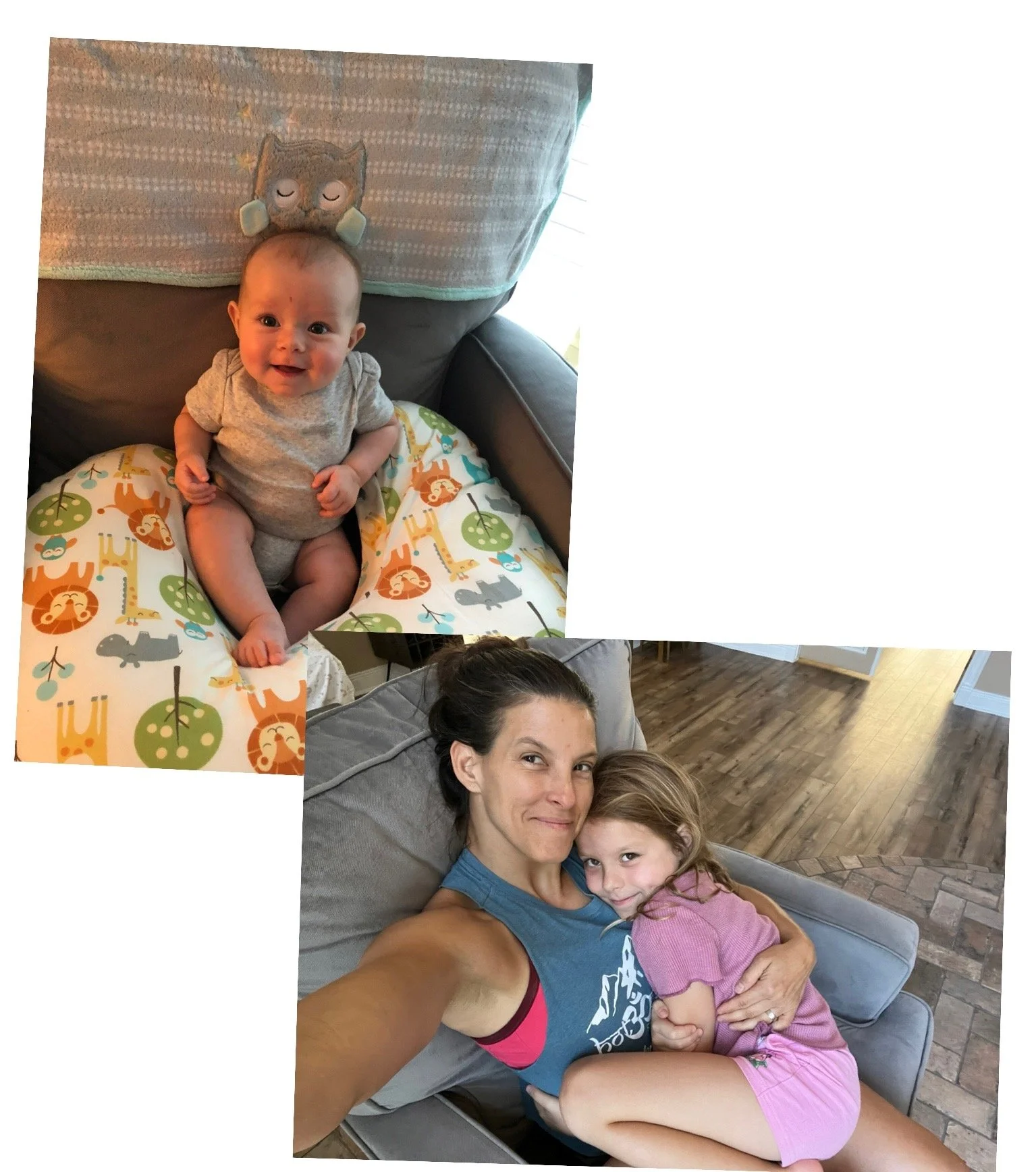
The chair. Then….and one last snuggle.
It's worth asking why we keep these things, because the reason matters. In 1979, psychologists Daniel Kahneman and Amos Tversky identified a cognitive bias called loss aversion: the pain of losing something is felt twice as intensely as the pleasure of gaining something equal. This bias can affect human and consumer behavior in marketing, economics, and everyday decisions. That’s why we’ll fight harder to keep a dollar than to earn one. It’s why a company will defend a shrinking product line longer than it will develop a promising new one. I mourned what the chair used to be instead of noticing what was about to take its place. We can learn to hold gratitude for a process, job, relationship, or program without needing it to stay the same forever.
What surprised me most is that the empty corner didn't feel empty for long. By Sunday afternoon, my daughter had finished putting her new spot together. She flopped into her bean bag chair, started reading her book, and said, “C’mon Mom, bring your book in here!” It was a different kind of closeness than the chair ever offered, and her room is filling up with the next thing.
Over the next few years, some form of that reading nook will evolve and probably last twice as long as the chair did. And it will give her more meaningful memories of her own.
The dents in the carpet will fade eventually. I've decided to let them.
