
Moving at the Speed of the Problem
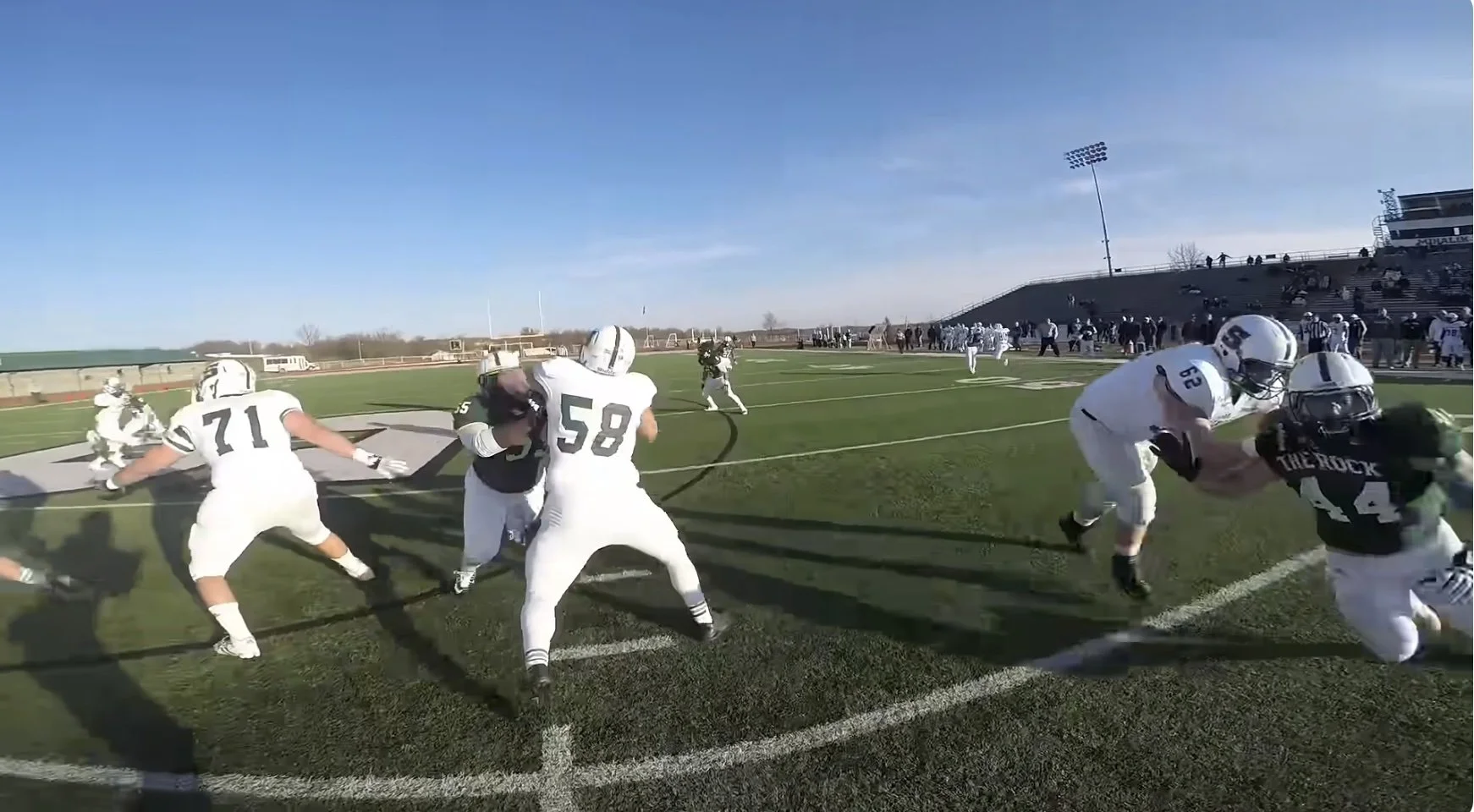
I love watching football. The precision of every movement is carefully orchestrated to create, sometimes by only fractions of a second, opportunities for a single player to make a play. A running back gets through a hole in the line. An almost imperceptible stutter step that allows a receiver to get one stride ahead. A subtle weight shift that allows a defensive tackle to slide by and pressure the quarterback.
Yet, I know that to make that one play happen, there were countless hours of practice and training I can’t see from my couch on a Sunday afternoon. And there are dozens of these plays coaches develop into a game plan every week, only for game day to bring an opponent trying to disrupt that plan. This is the old military adage: the enemy always gets a vote.
In fact, part of the strategy of teams and military units alike is to move fast enough to create confusion in the opponent. The advantage goes to the team that can see what problem is happening and respond faster than the opponent can adapt.
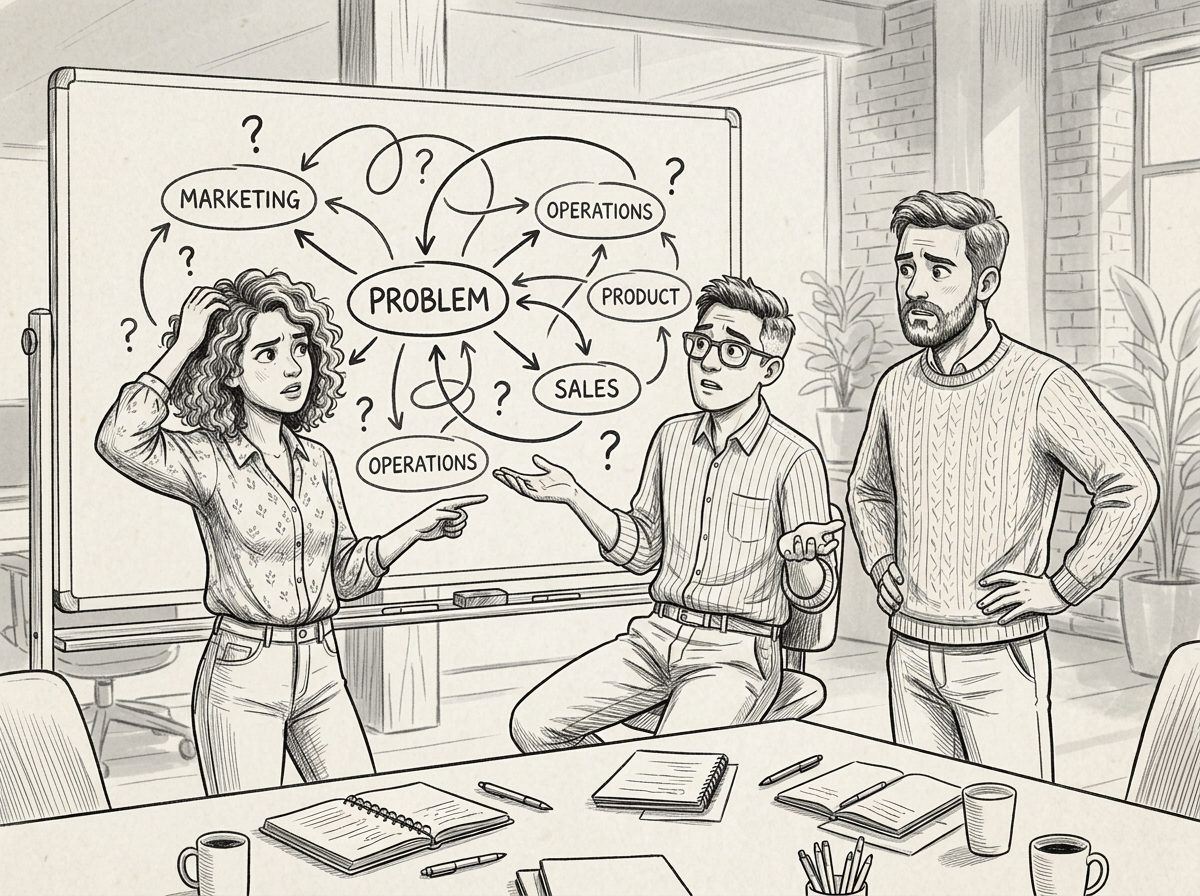
Most problems don’t wait patiently for the next staff meeting. A customer leaves, a competitor moves, a piece of equipment fails, an employee makes a mistake…conditions change. The problem is moving in real time, and too often the organization is moving through its org chart.
Someone identifies the issue and tells a supervisor. The supervisor brings it to a manager. The manager asks a director. The director wants to check with the senior leader. Eventually, a decision makes its way back to the person who first identified the problem. And although the organization maintained control, it may also have lost the opportunity to effectively address the issue.
Moving at the speed of the problem does not mean moving recklessly; it means moving purposefully. Teams that can move quickly when circumstances change usually do a tremendous amount of preparation before the problem ever arrives.
In the military, one way we approached this was to centralize the why and the what, and decentralize the how. Leaders have a responsibility to establish the purpose of the mission and define what needs to be accomplished. They set priorities, establish boundaries, allocate resources, and make sure the team understands what matters most. Once that understanding exists, the people closest to the problem need enough authority to determine how to accomplish the mission as conditions change.
One of the least glamorous, but most useful tools for creating speed is the standard operating procedure, or SOP. SOPs can sound like bureaucracy that slows people down, but the good ones do exactly the opposite; they create prepared responses to predictable situations. This is the essence of what military units do during pre-deployment training and what football teams practice leading up to games.
When people already know what action to take when certain conditions occur, they don’t have to stop and invent a response every time. By creating SOPs for the predictable events, it not only speeds effective responses but also creates capacity for your people to think about unpredicted events.
Preparation alone is not enough; people also need permission to act. The person closest to the problem often has information the senior leader does not. A manufacturing employee sees a defect. A quarterback sees the conditions changing in front of them. The senior leader may have greater perspective, but the person closest to the action has greater proximity.
High-performing organizations need both, and it’s the leader's job to prepare their people to make good decisions when they are not there. That requires clarity about intent, shared standards, rehearsed responses, and trust. It also requires leaders to recognize a difficult truth: If every important decision requires you, you may be your organization's speed limit.
There will always be decisions that need to move upward. There will always be situations where the consequences are too significant, the information too incomplete, or the authority too limited for someone to act alone. The goal isn't uncontrolled autonomy, it’s informed initiative.
People should understand what they are trying to accomplish, what boundaries they must operate within, and where their authority begins and ends. Inside those boundaries, they should be able to move. Because the hard reality is that the environment will not slow down simply to accommodate your decision process.
The enemy gets a vote. The competitor gets a vote. The customer gets a vote. Circumstances get a vote.
You don't always get to choose how fast the problem moves. But you do get to decide whether you have built an organization capable of moving with it.