Leadership Lessons
Think deeply. Converse openly. Share generously.


The Race to 51%
We were very much in the relationship business. Some of these people were sponsors, some were partners, some were local volunteers and members - and all of these wonderful people could have taken their time and talents elsewhere. With such a large and varied group of stakeholders, we constantly asked ourselves a simple question, “how can we get these folks to stick with us?” We could certainly point to the mission and the inherent desire to help others and serve the greater good. That was absolutely a factor, and probably what originally drew people to the organization, but we knew we had to do more.

Trust is Spelled C.A.R.E.
Effective leadership, and in fact all relationships, must be built upon a foundation of trust. If we have real trust, we can do many things wrong and still succeed. If we lack trust, we can do almost everything right and still fail. Trust creates confidence, daring, communication, and patience. It reduces stress, anxiety, resentment, and risk-aversion.



Perseverance is Greater Than Endurance
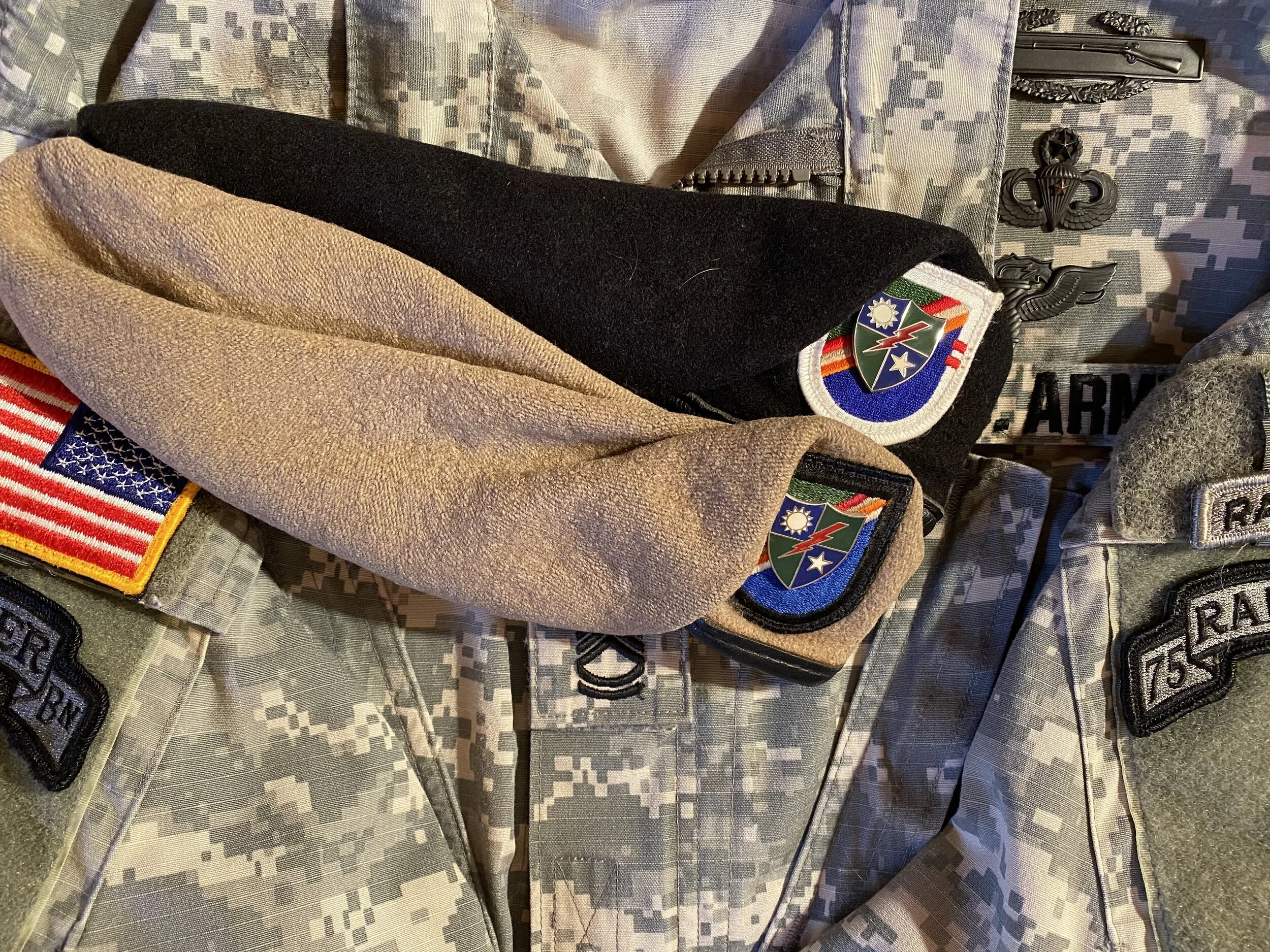
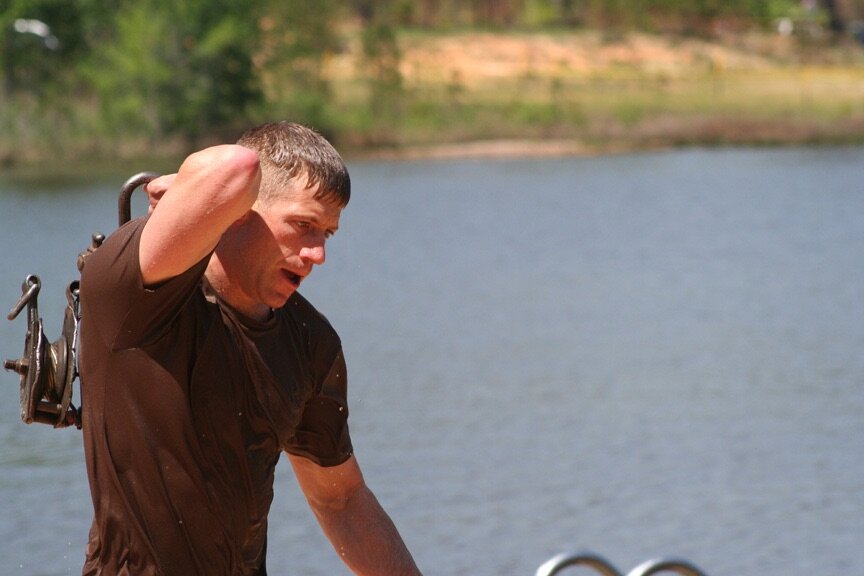
Endurance is admirable, and important, but endurance is not the same as perseverance. Endurance occurs when faced with difficult situations that test your training and resolve. Perseverance occurs when faced with adversity beyond your training that requires growth. Perseverance forces us to become the person the situation requires us to be. Perseverance is greater than endurance.
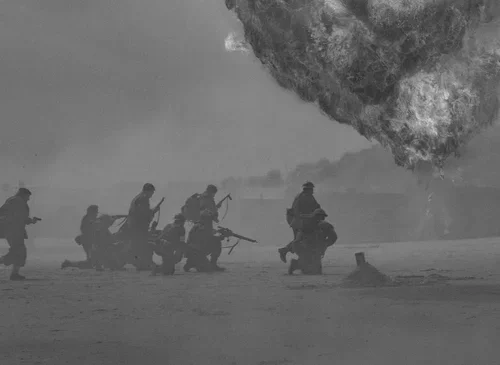
Explosives Breaching, Leadership, and Interpersonal Conflict
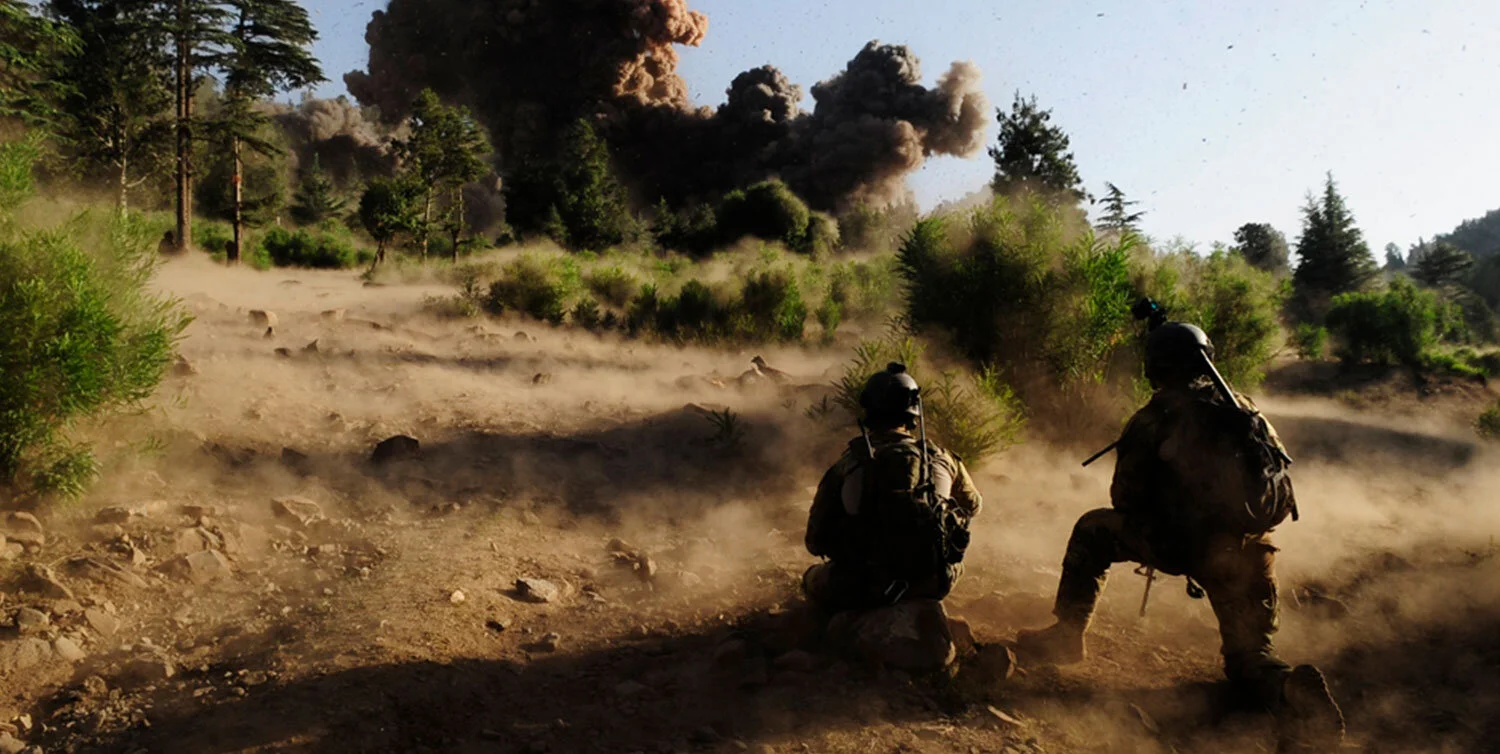
Explosives, like communication, are a mix of art and science. As a US Army Ranger, one of my special duties was master breacher. This means that I was an expert in the use of explosives with the purpose of breaching walls, doors, and other barriers to allow a Ranger assault team the ability to access the objective and accomplish the mission. I loved it.

Exceptions
If you are unwilling to make exceptions, you forfeit your right to be exceptional. Systems and processes are important. Leaders should absolutely take the time to design and implement standard operating procedures that enable the organization to function with few interventions.
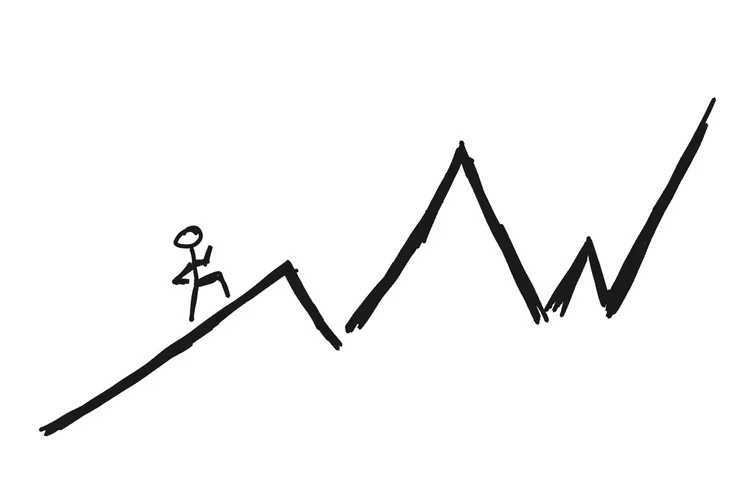
Going Down is Not Going Backward
During times of adversity, it is easy to feel like we just don’t have any good options. We’ve worked hard to get to where we’re at, and we intend to keep making progress - moving ever closer to our long-term goals. The last thing we want to do is give up ground. We get it. And we’ve got good news and bad news.

3 a.m. in the Patrol Base
A leader's work is never done. And a leader should never be out-committed by one of their people. When it’s “3:00 am in the patrol base” in your organization, it’s your time to earn your salt, leader. Though imperfect at times, you must be the one in the patrol that insists your people get their 30 minutes of sleep while you check the guns to ensure the unit is covered. You have to check the sector stakes to make necessary adjustments, which means you have to get up and move.

Trustworthy Instincts
Trustworthy Instincts are where the gut and the head collide. Tested over time and refined through experience, they allow us to make sound, timely decisions in stressful situations - which is essentially a superpower in today’s world.


The Unknown Distance March
There’s a reason why the Rangers, the Green Berets, and many other Special Operations Units use unknown distance ruck marches to assess candidates during selection and build grit and resolve during training. The ruck is often called “the ultimate equalizer”. It can make a 250lbs linebacker fall by the wayside while a 140lbs teenager drives on. The ruck does not discriminate and it does not relent.